Supplement ads are where AI UGC can save the most money and get you into the most trouble. The format that sells (a relatable person saying "this changed my mornings") is exactly the format that turns into a fake testimonial when the person is synthetic.
So for supplement brands, the tool matters less than the checks you run before anything ships. This post starts with those checks, then ranks tools on how well they support them. Nothing here is legal advice; ad platforms and regulators set the rules, and you should have someone qualified read your claims.
The compliance checks to run on every supplement ad
- Is the presenter labelled honestly? AI actors are fictional presenters, not customers. The FTC's rule on fake reviews and testimonials, in effect since 21 October 2024, covers AI-generated testimonials, with civil penalties of roughly $51,700 to $53,000 per violation. New York's synthetic-performer law (in force since 9 June 2026) requires a conspicuous disclosure when an ad uses an AI synthetic performer. It does not ban AI ads.
- Does the script claim an outcome? "Cures", "treats", "guaranteed", "lose X pounds", "clinically proven" without the study to back it: cut them.
- Is it framed as a personal result? "I lost..." or "my anxiety went away" from a synthetic actor is a fabricated experience. Rewrite in the presenter's voice describing the product, not their body.
- Do the visuals imply results? Before-and-after shots, transformed bodies, glowing skin after "two weeks". Remove them.
- Does it meet each platform's health and supplement policy? Meta, TikTok and others restrict some health claims and some targeting. Read the current policy for each platform you run on.
- Did a human approve it? Someone other than the person who made it should sign off before it goes live.
Riskier line vs safer line
| Riskier | Safer |
|---|---|
| "I've taken this for a month and my joint pain is gone." | "Here's what's in it: glucosamine, turmeric, and nothing artificial." |
| "Clinically proven to boost energy." | "One scoop in water, before your morning walk." |
| "Doctors don't want you to know this." | "Three things I check on any supplement label." |
Competitor details below were read on 12 November 2026, Mantinea's on 24 and 25 November 2026. We read vendor pages and policies; we did not run paid tests.
Best overall
Best overall
1. Mantinea
AI claims review, human approvals and free disclosure labels, with your real product in shot
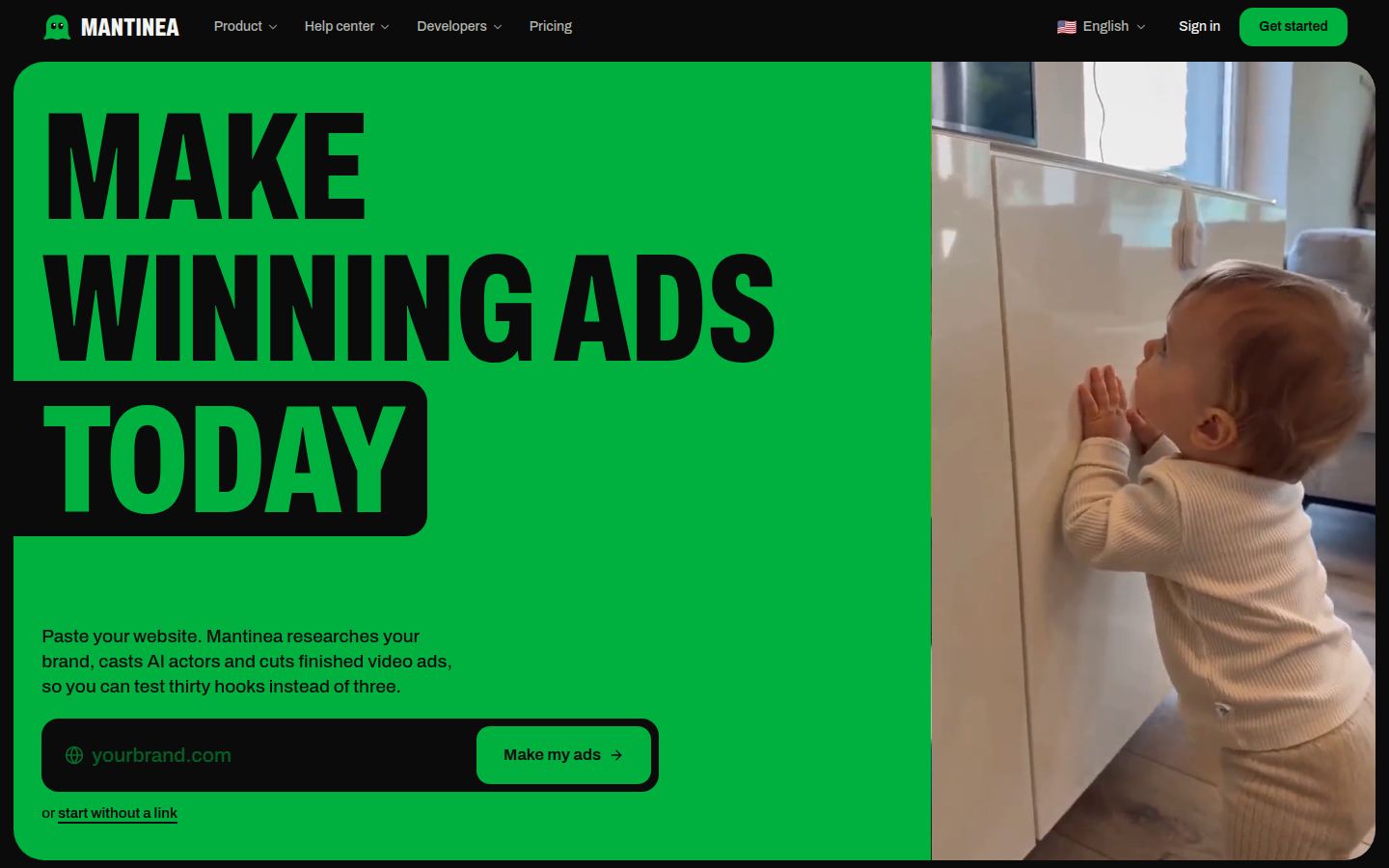
Specifications
- Plans from
- $29/month
- Free trial
- 14 days, 1,000 credits, no card
- Seats
- Unlimited
- Languages
- 182, up to 10 at once
- Ratios
- 9:16, 1:1, 16:9
Reasons to buy
- +Ad Review checks an ad's hook, pacing and claims, in chat or as a workflow step
- +Timecode comments and approve-before-ship on every plan
- +Free text overlay for an "AI-generated" label
- +Supplements photoshoot template and Product in hand preset
Reasons to avoid
- −Ad Review is an AI check, not legal sign-off
- −No manual frame-by-frame timeline editor
Buy it if A supplement brand that wants review and approval built into production
Buy it if You localize compliant ads into other markets
Don't buy it if You need a real customer testimonial
What we liked: checks one, two and six on the list above are built into the workflow. Ad Review is an AI review of an ad's hook, pacing and claims; you can run it in chat or put it in a workflow so every ad passes through it. Approvals are on every plan: a reviewer comments at an exact timecode and approves before anything ships, and unlimited seats mean your compliance person gets a login at no extra cost. The text overlay is free (0 credits), so an "AI-generated presenter" label costs nothing to add.
On production, Brand Brain reads up to 40 pages of your site so the tub or bottle in shot is your real one, the supplements photoshoot template covers statics, and Product in hand runs about 166 credits. Talking ads are 15 credits per second, about $4.50 for 30 seconds. A pronunciation dictionary makes sure ingredient names come out right in every voice and language.
What bugged us: Ad Review will catch a lot, but it is not a lawyer and doesn't claim to be. Keep a human sign-off for anything health-adjacent.
Best for compliant statics
Best for statics
2. AdCreative.ai
Static creatives in every size, with creative scoring and a Compliance Checker
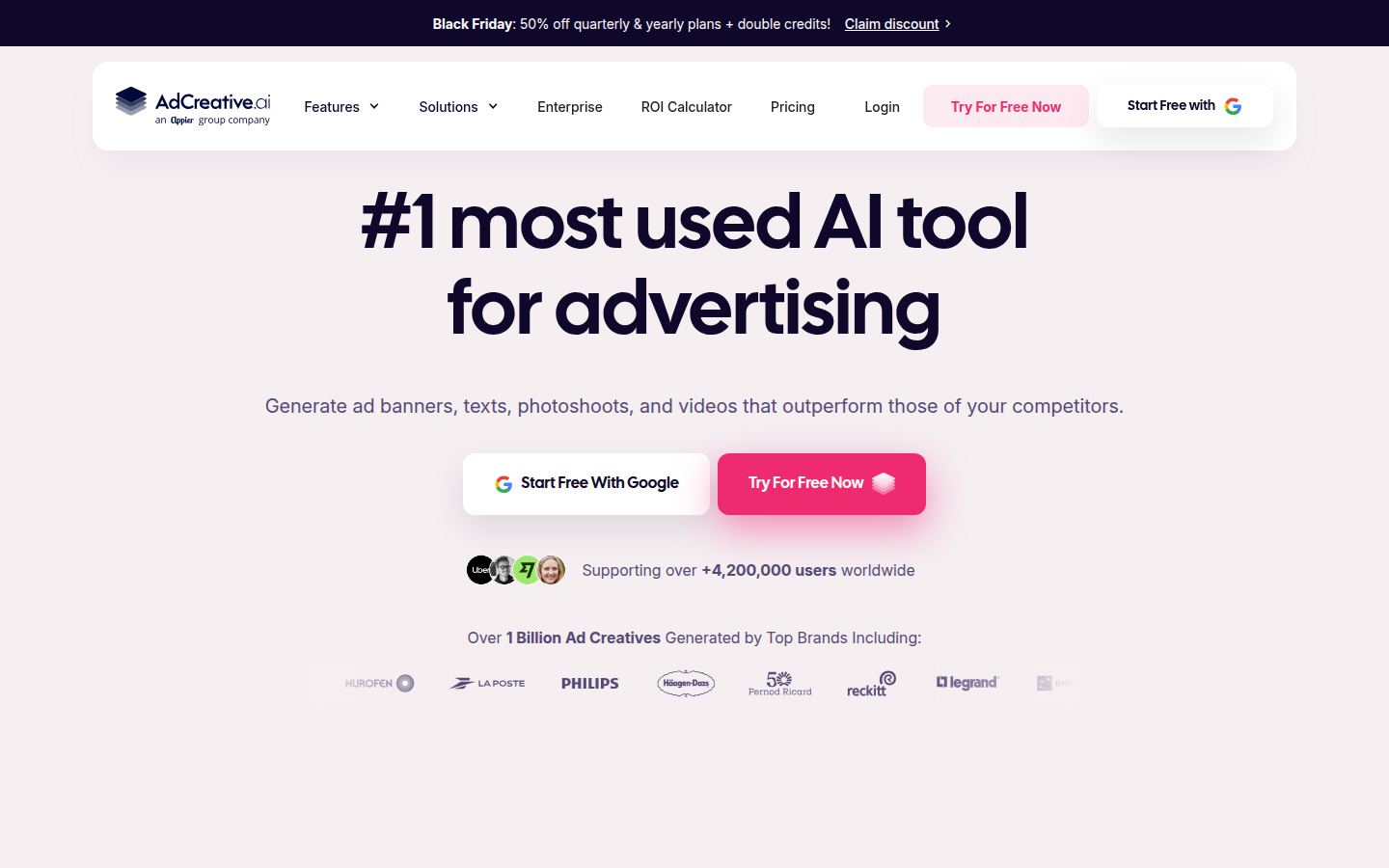
Specifications
- Credit unit
- One download
- Trial
- 7 days, auto-converts
- Video and UGC
- Higher tiers
- Refunds
- Only if unused
Reasons to buy
- +Static ads in every platform size
- +Compliance Checker AI listed among its tools
Reasons to avoid
- −Trial auto-converts with a card on file
- −UGC video gated to higher tiers
Buy it if A supplement brand running mainly static ads
Don't buy it if You want UGC video on the entry plan
AdCreative.ai is statics-first. Watch the trial: reviewers say it was "not clear that after 7 days it will automatically" convert.
Best low-cost avatar option
Best low cost
3. Creatify
Inexpensive avatar videos and a free plan
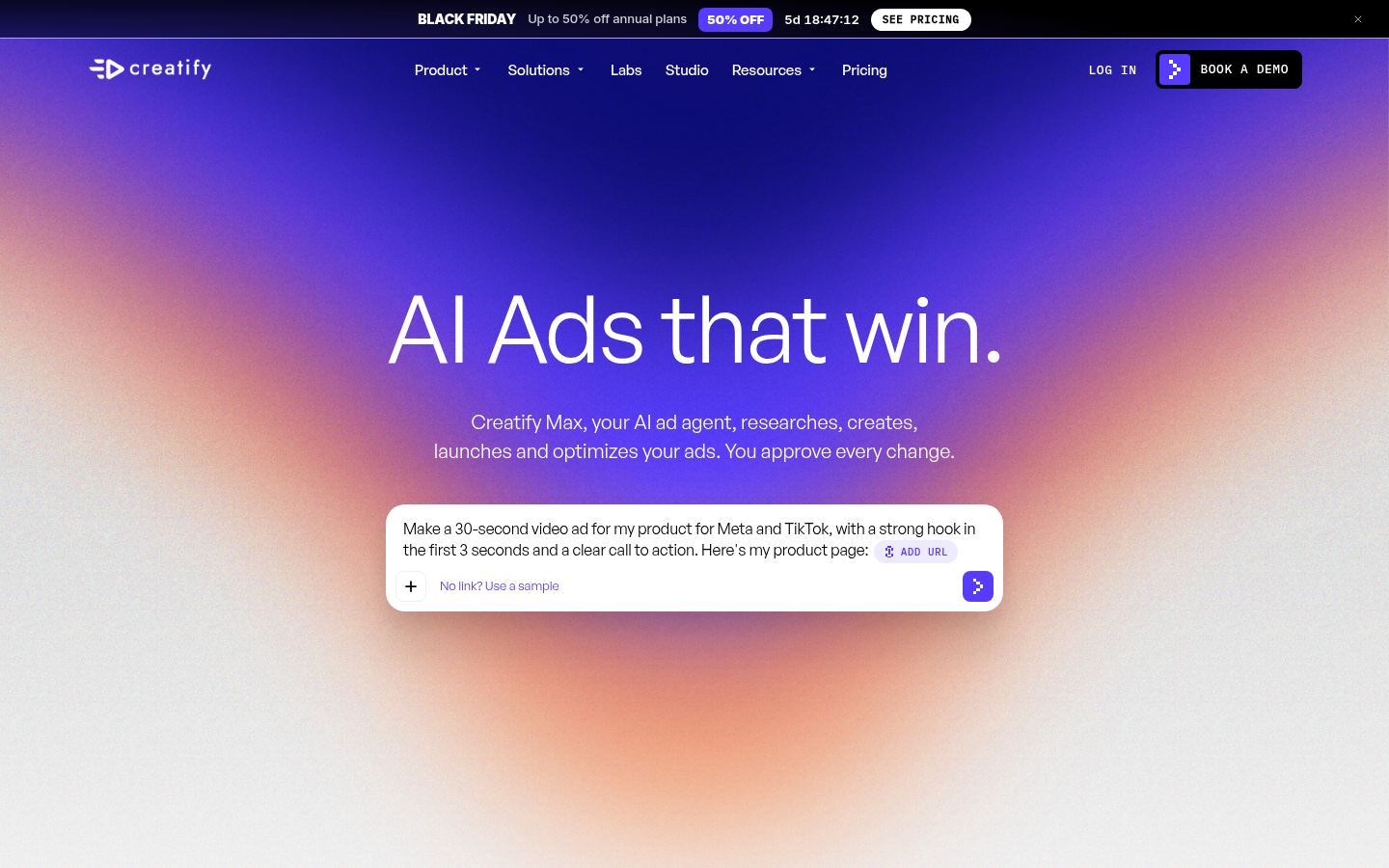
Specifications
- Actors
- 300 / 1,500
- Seats
- 1 until Ultra
- Approvals
- Not found
- Refunds
- None
Reasons to buy
- +Low price per avatar video
- +Free plan to try
Reasons to avoid
- −One seat, so no separate reviewer login until $95 a month
- −Agent chat spends credits
Buy it if A solo founder testing a few compliant scripts
Don't buy it if You need a reviewer to approve each ad
Creatify is cheap, but one seat on the lower plans makes a separate reviewer hard.
Best for remaking proven formats
Best formats
4. MakeUGC
Product in Hand and a library of winning UGC ads by niche

Specifications
- Seats
- 0 / 3 / 5
- Approvals
- Enterprise only
- Rollover
- No
- Refunds
- Non-refundable
Reasons to buy
- +Product in Hand
- +Content Library of proven ads
Reasons to avoid
- −Approval workflows only on Enterprise
- −Remade "winning" ads may carry claims you can't make
Buy it if A team that wants format ideas and has its own review process
Don't buy it if You want approvals in the tool
MakeUGC has useful formats. Be careful remaking supplement ads from a library: the original's claims are not automatically yours to make.
Best for genuine customer testimonials
Best real testimonials
5. Billo
Human creators who can use the product and describe their own experience
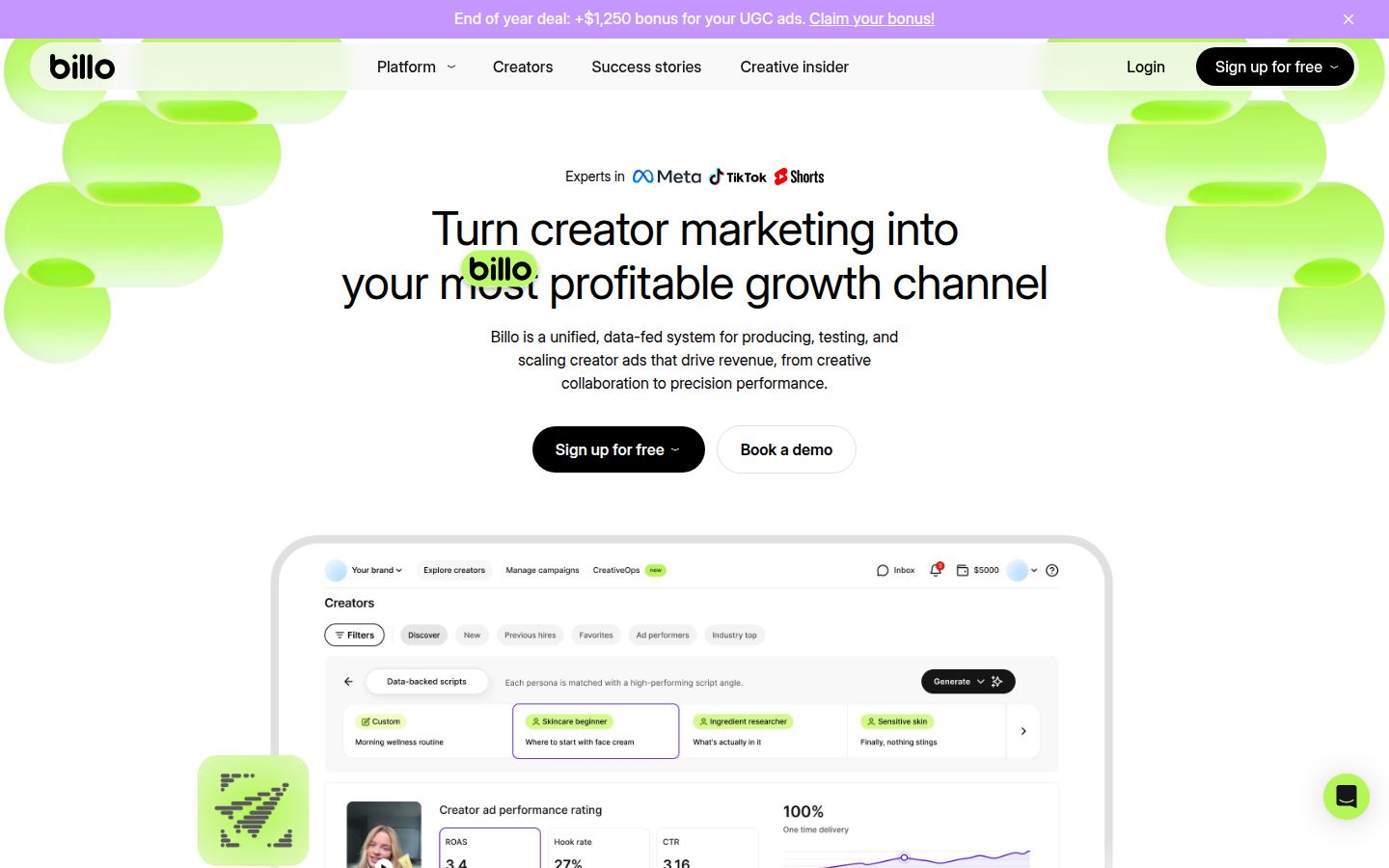
Specifications
- Creators
- 5,000+ (US, Canada, UK)
- Product and shipping
- Not included
- Partnership ads
- Yes
Reasons to buy
- +Real people, real experience
- +Partnership ads from creator handles
Reasons to avoid
- −About $100 per 15 s video before product and shipping
- −Reviewers report delays
Buy it if You need a real testimonial, honestly obtained
Don't buy it if You need volume for testing
If a testimonial is the ad, use a real person. Billo is one way to get one; the claims rules still apply to what they say.
A note on Synthesia
Synthesia moderates every video with humans and AI and restricts health, legal and financial claims. That's a safety feature for its corporate users and a bottleneck for supplement advertisers, and reviewers report rejected health content. It's built for training video rather than UGC ads anyway.
How we compare these tools
We read vendor pricing pages, docs, help centers and policies and dated each. We did not run paid tests. For a wider view of where AI and human UGC each fit in health categories, see AI vs human UGC by category, and for using synthetic actors responsibly, our AI actor guide.
Verdict
Mantinea is the best fit for supplement brands that want AI UGC without cutting corners: claims review, timecode approvals and free disclosure labels sit in the same workspace that makes the ad, from $29 with a no-card trial. Skip it when the ad has to be a real customer's own words.